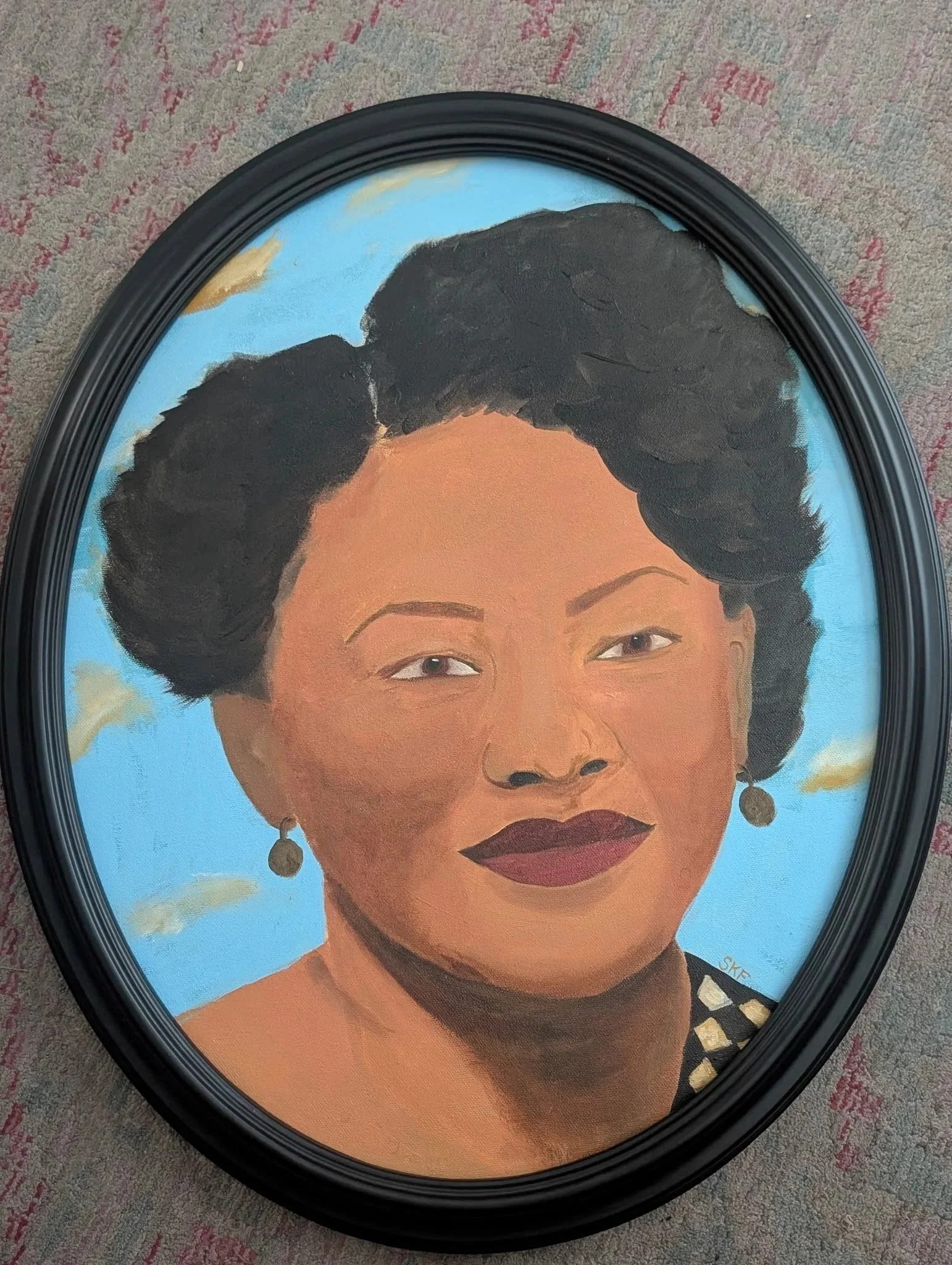
Esau & Janie B. Jenkins
Johns Island, South Carolina
They bought the buses together. They taught the lessons together. They built the movement together.
Esau and Janie B. Jenkins were born and raised on Johns Island at a time when Black children had no high school, Black adults couldn't vote, and the distance between the island and opportunity felt intentional. They decided that distance was something they could close.
They purchased a fleet of buses and drove their neighbors into Charleston for work and school. On every ride, they taught passengers the sections of the state constitution required to pass the literacy test to register to vote. The commute became a classroom. The bus became a freedom school on wheels.
From that vision grew the Progressive Club — the home of the first Citizenship School in the nation — a gathering place, grocery store, gas station, health clinic, and sanctuary that anchored the entire Johns Island community. The Citizenship School model they helped launch spread across the South, putting tens of thousands of Black Americans on the voter rolls.
Their 1966 Volkswagen bus is now archived in the Library of Congress. The back panel lives permanently at the Smithsonian. Painted across it in Esau's own hand: Love is Progress, Hate is Expensive.
Thirteen children. Seven college graduates. A high school that still stands. A credit union. A health clinic. A movement.
Two people. One mission. An inheritance that belongs to all of us.
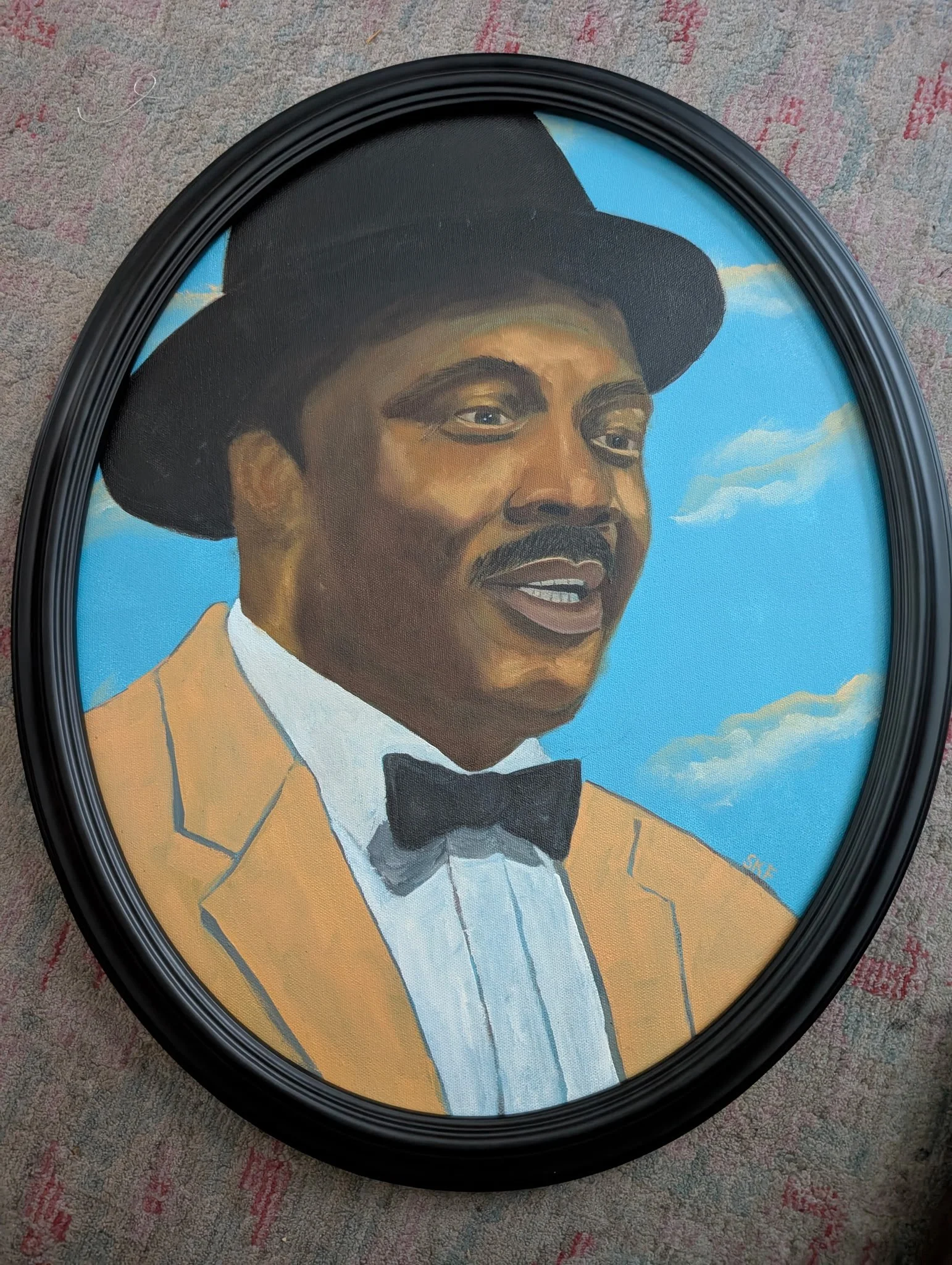
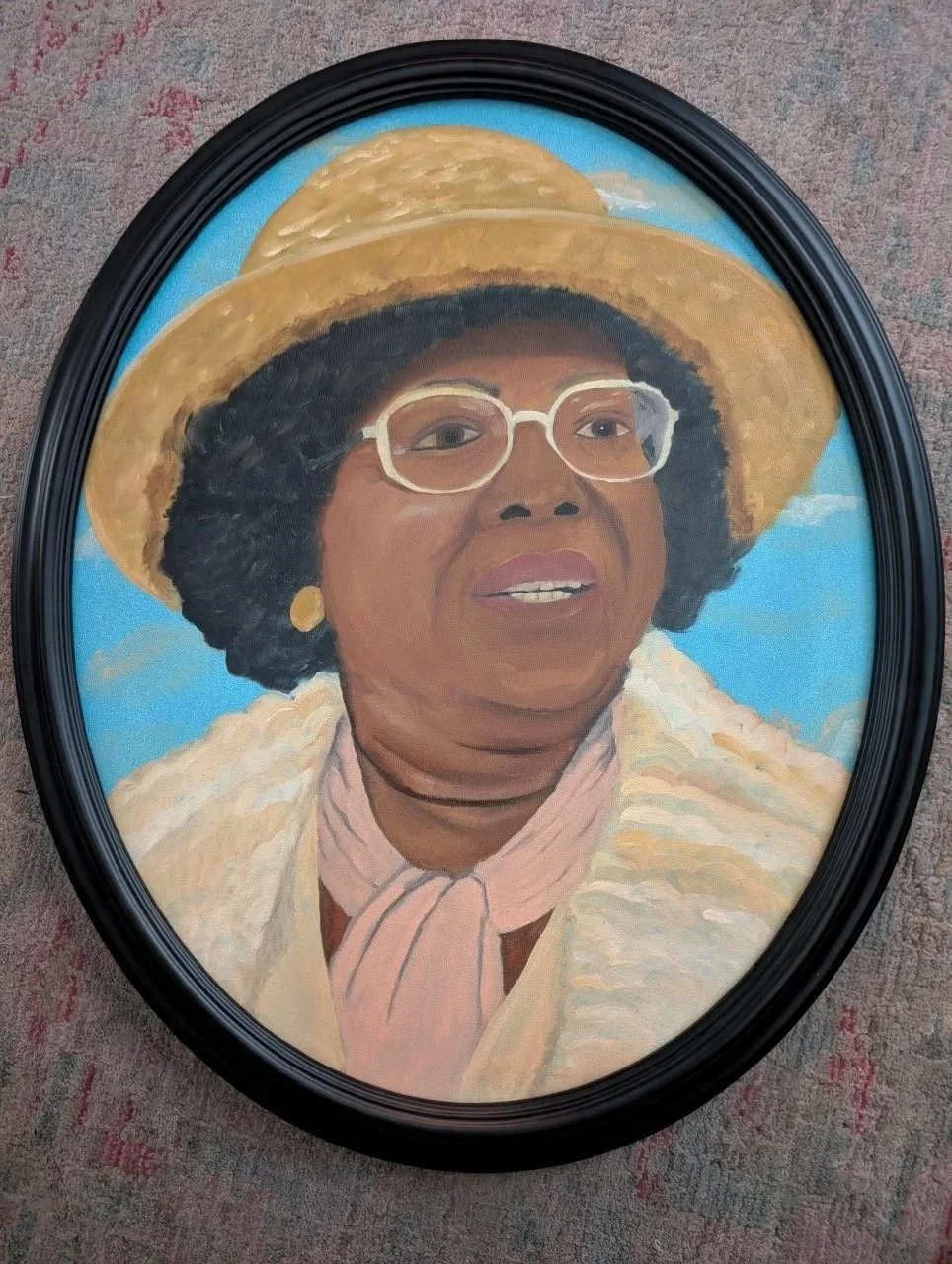
John & Mattie Washington
Johns Island, South Carolina
Not every person who changes a community makes the national news. Some of them just show up — consistently, quietly, and completely — until the community they love is stronger for it.
John and Mattie Washington were that kind of people.
They were among the circle of Johns Island activists who worked alongside Esau Jenkins, Janie Jenkins, Bill Saunders, and others to dismantle segregation and build something better in its place. They worked toward voter registration, civic engagement, and equal access at a time when doing so in the South Carolina Lowcountry carried real risk.
History tends to reserve its loudest recognition for the names attached to legislation and landmarks. John and Mattie Washington remind us that every movement is held up by people whose dedication never wavered even when the spotlight never found them.
Their community knew who they were. Now you do too.
This portrait is a reclamation. A reminder that the work of freedom was never done by a few — it was carried by many.
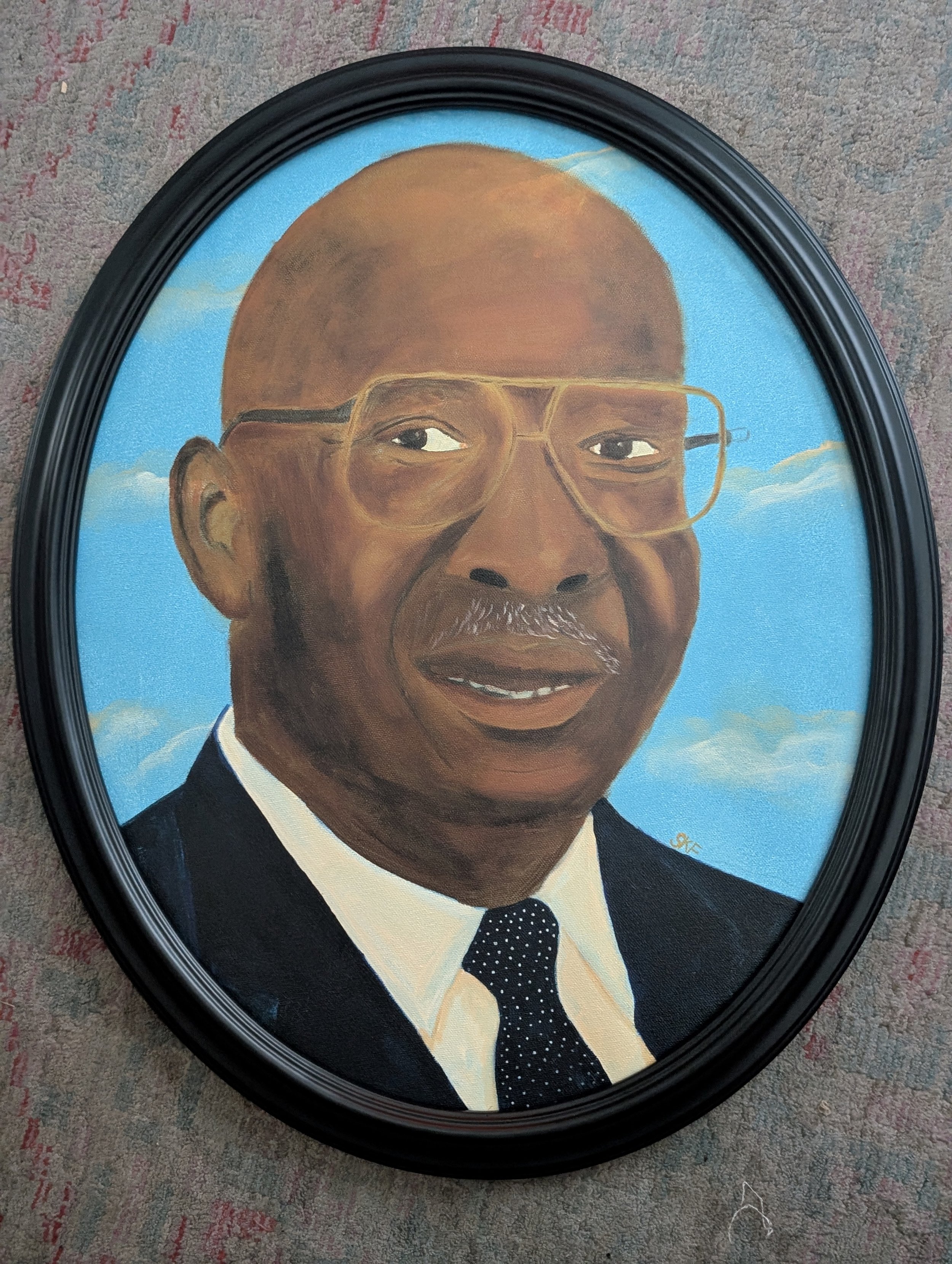
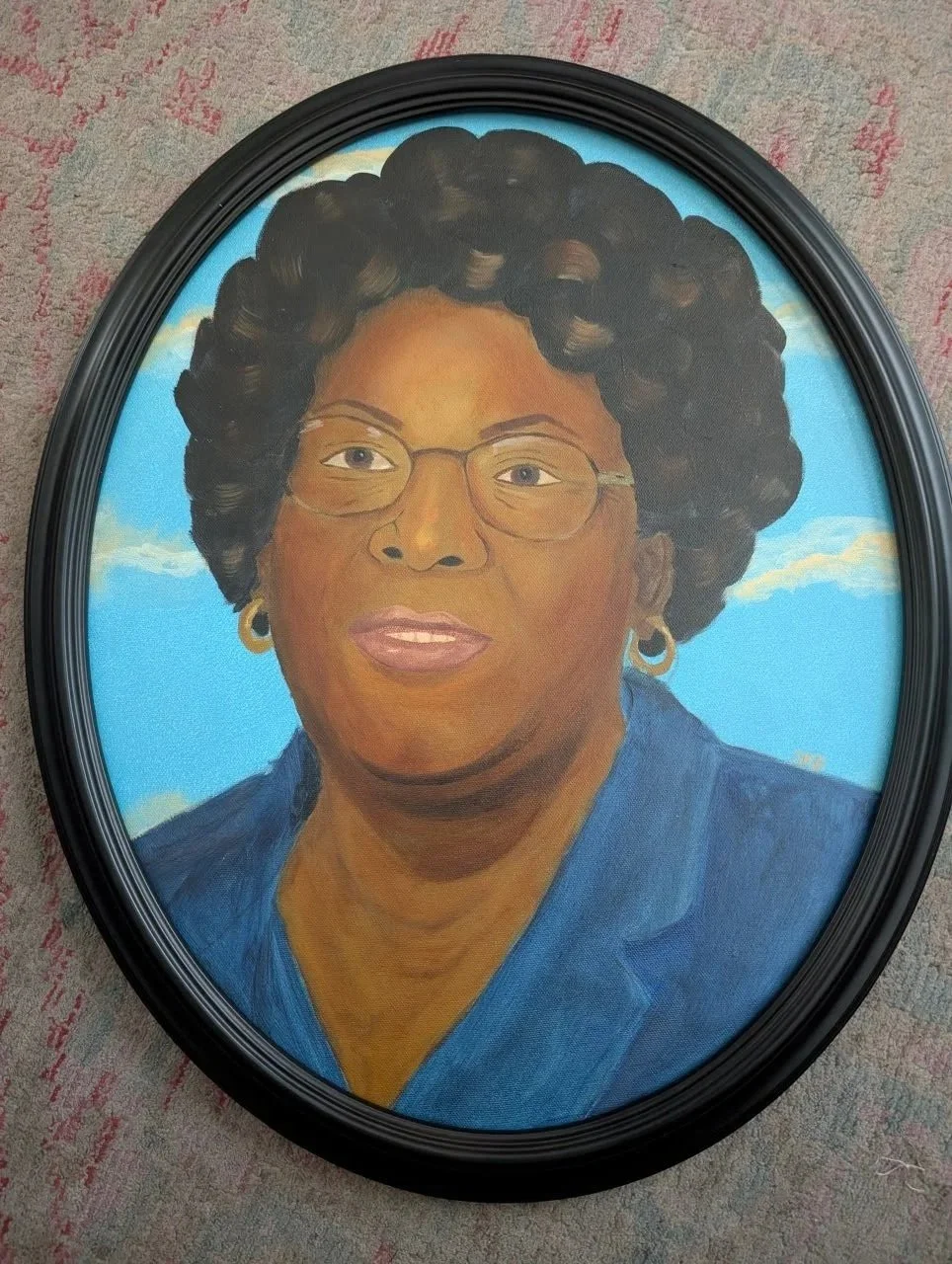
William "Bill" Saunders
Johns Island, South Carolina
Bill Saunders was not supposed to survive the 1960s. He knew it. He said so himself.
Born in New York City and raised on Johns Island, Saunders enlisted in the U.S. Army at sixteen and served in the Korean War. What he witnessed there — the brutal disparity in how Black and white soldiers were treated on and off the battlefield — lit something in him that never went out. Lowcountry Digital History Initiative
When he returned to Johns Island, Saunders became involved in the Progressive Club under the mentorship of Esau Jenkins. He was an early officer in the organization, learning the architecture of community power from the ground up. But Saunders had his own fire. His ferocious refusal to accept anything less than full equality often put him at odds with the nonviolent mainstream of the civil rights movement. Lowcountry Digital History InitiativeJicsc
He became the lead organizer and negotiator of the 1969 Charleston Hospital Strike — a two-month battle that forced one of the South's most powerful hospital systems to reckon with the wages and dignity of its Black workers. He went on to purchase and operate a radio station, run for the State Senate, serve on multiple boards and commissions, and found Charleston's Committee on Better Racial Assurance — COBRA. ScmemoryJicsc
He operated AM radio station WPAL from 1972 to 1998. For over two decades, his voice carried across the Lowcountry airwaves, organizing, informing, refusing to let the community forget what it was owed. Scmemory
His voice is in the Smithsonian now. It always belonged there.
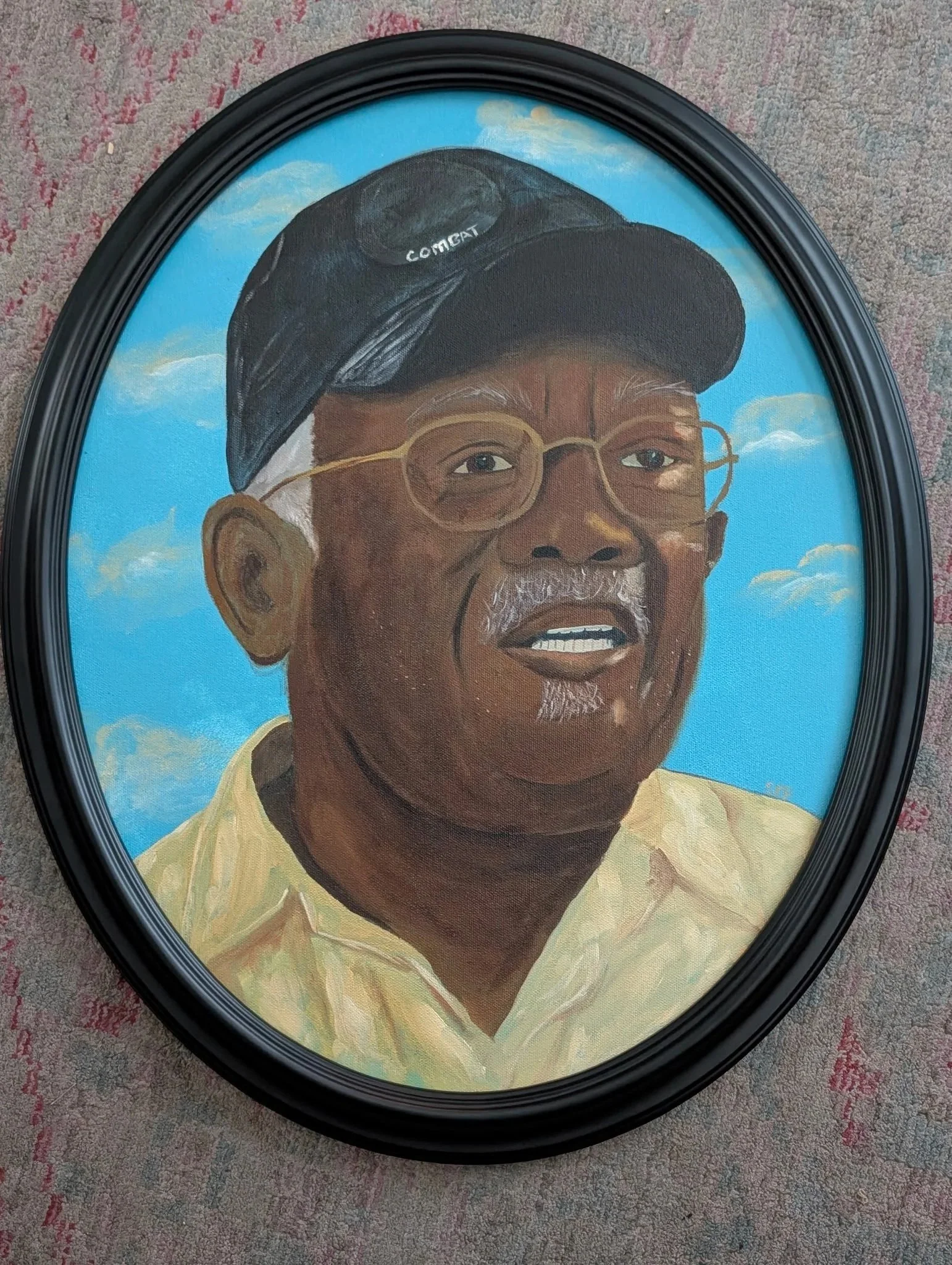
Hermina B. Traeye
Johns Island, South Carolina
Hermina Burvick Traeye was born on March 13, 1929, in Adams Run, South Carolina. She never sought fame or desired the limelight for the civic contributions she made. She preferred keeping a low profile and working in the background — but her voice and work echoed loudly within the communities she served. Live 5 News
Her passion for sick people unable to travel or afford doctor visits compelled her toward medicine. She received formal training as a nurse assistant and was on the path to certification as a Licensed Practical Nurse before her life was cut short. Live 5 News
She labored side by side with Septima Clark, Esau Jenkins, Mary Moultrie, Bill Saunders, Andrew Young, and Dr. Martin Luther King Jr. during the height of the fight for racial equality. She played an integral role in encouraging African Americans to register to vote, worked tirelessly to help poor and struggling families, and was actively involved in the 1199-B Hospital Workers' Strike — determined to stay in jail without bail until the rights of Black nurses and workers were established. Live 5 NewsLive 5 News
Her efforts extended to nonviolent protests ending segregation at Woolworth, Kress, and other downtown Charleston businesses, and to securing school buses for African American children across Charleston County. Live 5 News
Hermina Traeye died on October 4, 1974, at the age of 45. A nursing home on Johns Island now bears her name. Her youngest daughter has spent her life completing what her mother started. Live 5 News1199SEIU
Forty-five years. A lifetime of work compressed into a life cut far too short. This portrait makes sure she is not forgotten.